Understanding the Icon of The Virgin Mary Holding Baby Jesus
Few images in Western art are as instantly recognizable or as deeply layered with meaning as that of The Virgin Mary Holding Baby Jesus. From the humble catacomb frescoes of early Christianity to the gilded masterpieces of the Renaissance, this visual representation has shaped not only religious devotion but also the history of art itself. For anyone studying iconography, theology, or art history, understanding this image requires more than passive appreciation. It demands a look at its origins, its symbolic language, and its enduring role in both personal faith and public culture.
The Theological Weight of the Image
At its core, the depiction of The Virgin Mary Holding Baby Jesus communicates a theological paradox that has fascinated believers for centuries: the incarnation. Mary holds an infant who is both fully human and fully divine. Artists throughout history have wrestled with how to convey this duality. Should the child look like any other baby, or should he radiate a knowing wisdom? Should Mary appear as an ordinary mother, or as the Queen of Heaven?
These questions have led to distinct traditions. In Eastern Orthodox icons, for example, Mary’s gaze often directs the viewer toward the child, while the infant Christ extends a hand in blessing. This isn’t merely a tender family moment; it is a statement of doctrine. Theotokos, meaning God-bearer, is the title given to Mary in these traditions, and every brushstroke reinforces that identity. The gold background, the elongated proportions, the solemn expressions—all serve to lift the scene out of the ordinary and into the eternal.
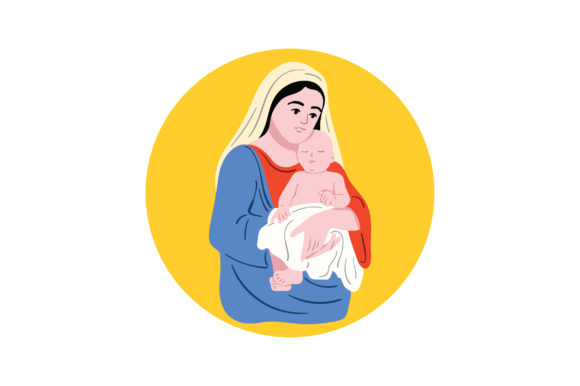
In Western art, the approach has been more varied. Renaissance painters like Raphael and Leonardo da Vinci emphasized warmth and naturalism. Mary holds Jesus with a gentleness that feels deeply human, inviting the viewer into a moment of intimate connection. Yet even in these softer portrayals, subtle symbols remain—a blue mantle signifying her purity, a red dress hinting at the Passion to come, a book suggesting wisdom, or a bird representing the soul. The image of The Virgin Mary Holding Baby Jesus thus functions as a visual sermon, teaching deep truths through the language of form and color.
Iconographic Variations Across Cultures
One of the most striking features of this subject is its global adaptability. When European missionaries brought images of The Virgin Mary Holding Baby Jesus to the Americas, Asia, and Africa, local artists reinterpreted the figures through their own cultural lenses. In Mexico, the Virgin of Guadalupe appears with dark skin and an indigenous presence, holding the Christ child with a mantle of stars. In Ethiopia, Mary and Jesus are painted with dark brown skin and almond-shaped eyes, surrounded by the vivid patterns of Coptic tradition. In Japan, depictions sometimes borrow the soft lines of Buddhist painting, blending reverence with local aesthetics.
These cultural variations matter because they reveal how the image speaks to universal human experiences—motherhood, protection, hope, and vulnerability—while remaining anchored in specific theological claims. For collectors, historians, and devotees, recognizing these differences adds layers of meaning to any given piece. A 17th-century Peruvian wooden statue of The Virgin Mary Holding Baby Jesus is not merely an artwork; it is a document of cultural exchange, religious adaptation, and artistic innovation.
Practical Considerations for Collectors and Enthusiasts
If you are considering acquiring a piece featuring The Virgin Mary Holding Baby Jesus, whether as an antique, a religious item, or a decorative element, there are several factors worth weighing. First is authenticity and provenance. Reproductions flood the market, but a genuine antique or a handcrafted icon carries both historical weight and potential investment value. Always ask for documentation, especially for works purporting to be from a specific period or artist workshop.
Second is material and condition. Paintings on wood panels may suffer from cracking, flaking, or woodworm damage. Textiles require careful handling to avoid fading. Metal and ivory pieces have their own preservation concerns. Understanding these issues helps you make informed decisions and protects your purchase over time.
Third is intended use. Are you buying for private devotion, academic study, or interior decoration? Devotional contexts may favor traditional iconography with clear theological focus. Decorative settings might allow for more sentimental or modern interpretations. Knowing your purpose clarifies what to look for.
Finally, ethical sourcing matters. Some items, especially those from conflict zones or illegally excavated sites, come with problematic histories. Work with reputable dealers who can verify legitimate provenance. This not only protects you legally but also respects the cultural heritage that these images represent.
Modern Reproductions and Contemporary Art
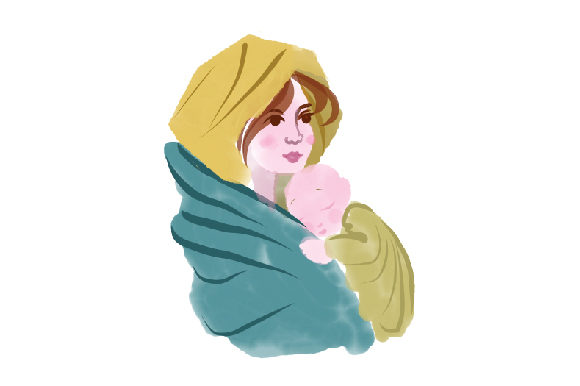
Not everyone can afford a Renaissance painting, nor should they feel they must. High-quality reproductions, prints, and modern interpretations of The Virgin Mary Holding Baby Jesus are widely available and can serve many of the same functions—aesthetic, devotional, educational. Contemporary artists continue to reimagine this subject, sometimes with provocative twists. A modern portrait might show Mary and Jesus in urban clothing, or use abstract forms to explore the same spiritual ideas. These works invite fresh conversations about tradition and innovation.
For churches and religious institutions, commissioning a new representation of The Virgin Mary Holding Baby Jesus can be a powerful way to connect with current congregants while honoring ancient roots. Many contemporary artists trained in both classical and modern techniques can produce pieces that feel both timeless and relevant. The key is to select an artist who understands the theological and emotional weight of the subject, not just its formal aspects.
The Role of the Image in Personal Devotion
For many believers, an image of The Virgin Mary Holding Baby Jesus is not a decoration but a focal point for prayer and meditation. It serves as a visual anchor, reminding the viewer of God’s closeness in human form. The tenderness of the mother and child speaks to themes of trust, care, and divine love. In homes, such an image might occupy a place of honor in a prayer corner or above a doorway, serving as a quiet presence throughout daily life.
Those new to using religious imagery in their personal practice may wonder how to approach it. The image is not an object of worship but a window that directs the heart toward God. You might light a candle before it, say a prayer, or simply sit in silence and let the image speak. Over time, the visual details—the way Mary holds her son, the expression on her face, the symbols surrounding them—become familiar companions on the spiritual journey.
Integrating the Image into Modern Workflows and Projects
Surprisingly, the image of The Virgin Mary Holding Baby Jesus has found relevance beyond strictly religious contexts. Graphic designers, content creators, and educators frequently encounter this subject when working on projects related to art history, religious studies, or cultural heritage. Understanding its iconography allows you to explain it accurately to audiences who may be unfamiliar with its nuances.
For example, a museum educator preparing a tour on Renaissance art needs to articulate why a simple Madonna and Child painting carries so much meaning. A writer developing a piece on maternal imagery in art might use this subject as a primary case study. Even a marketer creating content for a luxury brand inspired by classical motifs could draw on the visual language of this image to evoke elegance, devotion, and timelessness.
If you are working in any field that touches on visual culture, taking time to study the history and symbolism of The Virgin Mary Holding Baby Jesus will make your work richer and more informed. You will be able to spot variations, identify regional styles, and communicate with greater authority. It is a small investment of study that pays dividends in depth of understanding.
Preservation and Restoration Concerns
For those who already own or care for such images, preservation is a key concern. Light, humidity, and temperature are the three main enemies. Direct sunlight can fade pigments and damage varnishes. High humidity encourages mold and wood warp. Extreme temperature fluctuations cause cracking in panels and canvases. Display your piece in a stable environment, away from heat vents and exterior walls if possible.
Restoration should always be done by a professional. Attempting to clean or repair a valuable piece yourself can cause irreversible harm. A trained conservator can assess the condition and recommend appropriate treatment, whether that is surface cleaning, consolidation, or inpainting. For religious communities with historic pieces, regular condition assessments by a conservator are wise investments that extend the life of treasured works.
Final Observations on an Enduring Subject
The image of The Virgin Mary Holding Baby Jesus has persisted for nearly two thousand years because it speaks to something fundamental. It captures the intersection of the human and the divine, the ordinary and the sacred. Whether you encounter it in a grand cathedral, a small home altar, a museum gallery, or a digital reproduction, the image carries with it layers of history, theology, and artistry that reward close attention.
By understanding its origins, its variations, its practical considerations, and its modern relevance, you are better equipped to appreciate, acquire, use, or create representations of this enduring subject. It is not merely a piece of religious art; it is a conversation across centuries, a meeting point between cultures, and a visual expression of hope that continues to find new audiences today.