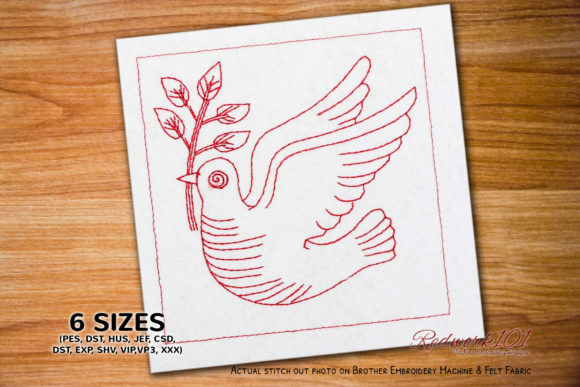
Christian Dove Redwork: Symbolism Meets Stitching
If you have spent any time around embroidery circles, quilt guilds, or liturgical art spaces, you have likely encountered redwork. The term refers to simple, often charming embroidery worked in red thread on a white or off-white ground. When you pair that technique with the Christian dove symbol, you get something both visually striking and layered with meaning. Christian symbol dove redwork is not just a craft trend. It is a way to bring a centuries-old emblem of peace and the Holy Spirit into modern life through a technique that feels both nostalgic and fresh.
For creators, educators, and even business owners looking to add meaningful design to their work, understanding this niche opens up practical possibilities. Whether you are stitching a gift, designing a brand mark, or looking for a thoughtful classroom project, Christian symbol dove redwork offers a versatile solution that works across media and contexts. Let us break down what makes it distinctive, where it shines, and how you can put it to use.
What Exactly Is Christian Symbol Dove Redwork?
Redwork originated in the late nineteenth century as an affordable way to decorate household linens. Because red dye was colorfast and relatively cheap, stitchers could create intricate designs without the cost of multiple thread colors. The result was a distinct look outlined in crisp red lines, often filled with simple satin stitches or left as line art.
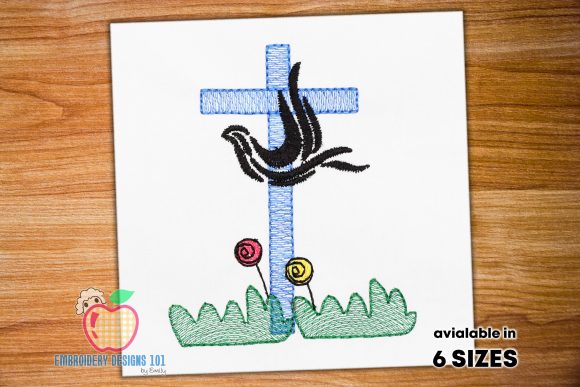
When you combine this technique with the dove as a Christian symbol, you get imagery that draws on deep biblical roots. The dove appears in the story of Noah as a messenger of hope, and in the New Testament as the form the Holy Spirit took at Jesus' baptism. Christian symbol dove redwork takes that iconography and renders it in a style that is at once traditional and understated. The red thread adds warmth and visual weight, while the white background keeps the piece clean and legible.
Key Characteristics of This Style
- Monochromatic palette: Red thread on a light background is the hallmark. This simplicity makes the design highly readable from a distance.
- Outlined forms: Most redwork relies on outline or stem stitches. The dove is typically rendered in flowing curves with minimal interior fill.
- Symbolic clarity: The dove often carries an olive branch or is surrounded by rays of light. These details reinforce its Christian meaning without overwhelming the composition.
- Scale flexibility: Designs work at postage-stamp size on a bookmark or at full scale on a wall hanging. The line-based nature of redwork scales well.
One notable quality is how the red thread catches light. Depending on the sheen of the thread you choose, the same design can read as rustic and handcrafted or refined and elegant. This gives you control over the final tone of the piece.
Why Christian Symbol Dove Redwork Matters Today
In a digital world flooded with fast visuals, handcrafted or hand-inspired design carries weight. Christian symbol dove redwork appeals because it communicates care. Each stitch takes time, and even when the design is printed or digitized for production, it retains a sense of deliberate making.
For professionals in branding, publishing, or education, this authenticity can translate into engagement. A dove rendered in redwork style feels approachable and human. It signals values like peace, patience, and tradition without needing a tagline. For hobbyists and creators, it offers a meditative practice and a finished piece that holds personal or shared meaning.
Practical Applications Across Environments
Here is where Christian symbol dove redwork moves beyond craft shelf decoration into real, daily use.
Personal and Home Use
Stitched items make thoughtful gifts for baptisms, confirmations, or housewarmings. A small hoop with a dove in redwork can hang in a nursery or above a desk as a quiet reminder. Many people also incorporate these designs into heirloom quilts or pillowcases that get passed down. The red thread holds up well to washing when properly set, so functional items stay usable.
Educational Settings
Teaching redwork is a wonderful entry point for students learning embroidery. The single-color approach removes the intimidation of matching threads. A Christian symbol dove redwork pattern gives beginners a meaningful subject while they practice basic stitches. Religious educators, Sunday school teachers, and homeschooling parents can tie the activity to lessons on Noah, the Holy Spirit, or symbols of peace.
Creative and Commercial Work
Graphic designers and illustrators can draw on the redwork aesthetic for logos, greeting cards, or packaging. The style reads as handmade and trustworthy, which suits brands focused on faith, family, or sustainability. Several small businesses have built product lines around redwork-inspired designs on tote bags, tea towels, and wall art. The dove symbol, in particular, has broad recognition across Christian denominations, making it a safe and unifying visual choice.
Digital and Print Media
Bloggers, publishers, and content creators can use dove redwork imagery as headers, dividers, or cover art. Because the style relies on clean lines, it reproduces well in both color and grayscale. It also compresses well for web use without losing detail. If you run a faith-based site or newsletter, a simple dove redwork illustration can become a signature visual that readers recognize instantly.
Liturgical and Church Use
Churches and ministries commission redwork banners, paraments, and vestments. The dove appears frequently in Pentecost and baptismal contexts. Redwork, with its historic roots in folk art, connects congregants to a long tradition of handmade church textiles. It feels more intimate than mass-produced options, and custom designs can incorporate specific church symbols or colors.
Benefits Worth Noting
Choosing Christian symbol dove redwork over other embroidery styles or visual treatments offers concrete advantages.
- Usability: Red thread hides minor soil better than white or pastel threads, making it practical for items that get handled often.
- Efficiency: For stitchers, one-color projects take less time to complete than multi-color designs. For digital production, the limited palette reduces printing costs.
- Appearance: The contrast between red and white is high, so the dove remains readable even in low light or at small sizes.
- Communication: The dove symbol communicates peace and the Holy Spirit instantly. Adding the redwork style communicates care and tradition.
- Branding value: A business or ministry that uses this style consistently builds a visual identity that feels grounded and trustworthy.
Those benefits are not theoretical. A friend of mine runs a small Etsy shop selling baptism gifts. She switched to redwork designs a year ago and reports that customers consistently describe the items as "meaningful" and "timeless." The single-color approach also simplified her production line, saving her hours per week on thread changes and color decisions.
Practical Considerations for Implementation
If you are ready to work with Christian symbol dove redwork, whether by hand or through a designer, a few practical points will save you frustration.
Selecting a Design
Look for patterns where the dove's wings and body are distinct. Overly complicated lines can muddy the silhouette. A good redwork design reads well even if you blur your eyes slightly. Test the visual at the size you plan to use it. A dove that looks graceful at 4 inches may read as a blob at 1 inch if the lines are too dense.
Thread Choice
Not all red threads are equal. For heirloom pieces, use a high-quality cotton or silk thread that is colorfast. For commercial production, machine embroidery thread in a bright, stable red works best. Avoid threads that bleed when washed unless you want a deliberately distressed look.
Fabric and Ground Material
White or cream cotton, linen, or cotton-blend fabrics are standard. If you are creating something for a church banner, consider a slightly heavier fabric like duck cloth or upholstery-weight linen. For wearables, choose a fabric with some stretch resistance if the item will see regular use.
Digitizing for Machine Embroidery
If you plan to produce multiple items, digitizing your dove redwork design is worth the investment. Provide your digitizer with a clean line drawing. Ask for a result that uses a single color and keeps stitch counts reasonable—redwork should feel airy, not dense. Test on scrap fabric before running a batch.
Caring for Finished Items
Hand wash or machine wash on gentle with cold water. Red dyes are stable, but hot water can cause fading over time. Iron on the reverse side to avoid flattening the stitches. Proper care keeps the design sharp for decades.
Observations and Recommendations
In my experience, Christian symbol dove redwork works best when the maker embraces its simplicity. Resist the urge to add multiple colors, elaborate backgrounds, or heavy shading. The power of this style lies in restraint. A clean white field with a red dove signals confidence. Overworking the design dilutes that effect.
For entrepreneurs and marketers, consider using a single dove redwork motif across multiple touchpoints. Print it on thank-you cards, stitch it on product tags, and use it as your social media avatar. Consistency builds recognition. The redwork style gives you a visual anchor that feels cohesive without looking sterile.
For educators and group leaders, plan a session around the symbolism first. Let participants discuss what the dove means to them before they pick up a needle. That conversation deepens the stitching experience and often leads to more thoughtful work.
For hobbyists, do not be afraid to experiment with scale. A tiny dove on a collar or cuff catches the eye in a gentle way. A large dove on a wall hanging becomes a focal point. Both are equally valid and satisfying to create.
Christian symbol dove redwork is not a passing fad. It connects modern hands to old traditions and sacred imagery. Whether you stitch it yourself or commission it, the result is a visual statement of peace that speaks without shouting. That quiet confidence is rare in any medium, and it is worth preserving.