Jesus Crucified: History, Meaning, and Relevance Today
The image of Jesus crucified is one of the most recognized symbols in human history. For nearly two thousand years, it has stood at the center of faith, art, culture, and personal reflection. But what does it really mean, and why should anyone in the 21st century—whether deeply religious, casually curious, or completely secular—take time to understand it? This isn’t just a relic of ancient history. The crucifixion of Jesus touches on themes of sacrifice, justice, love, and transformation that resonate across very different walks of life. Whether you are exploring faith for the first time, studying historical contexts, creating art, or even running a business, the story of Jesus crucified offers insights that are both timeless and surprisingly practical.
Understanding the Crucifixion for Beginners and Seekers
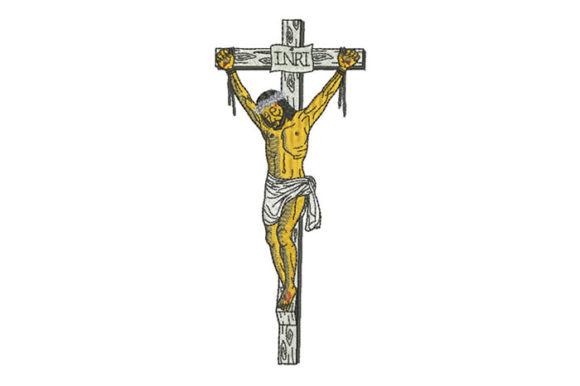
If you are new to the topic, the phrase “Jesus crucified” refers to the execution of Jesus of Nazareth by Roman authorities around AD 30–33. Crucifixion was a brutal form of capital punishment reserved for rebels and slaves. According to Christian belief, Jesus willingly accepted this death as a sacrifice to reconcile humanity with God—a concept often called atonement. But beyond theology, the event itself is a historical fact attested by Roman and Jewish sources, not just Christian texts.
For beginners, the most accessible entry point is understanding why this event matters so much. It isn’t just about a tragic death. Christians believe that Jesus’ death was followed by his resurrection, which transformed the crucifixion from a defeat into a victory over sin and death. If you are exploring spirituality, consider reading one of the Gospel accounts (Matthew, Mark, Luke, or John) in a modern translation. They present the events in narrative form, making them easier to follow than dense theological treatises. Ask yourself: What does the idea of a willing sacrifice mean to me? How do I view suffering and redemption in my own life? The answers may surprise you.
For those who prefer a more analytical approach, start with the historical reliability of the crucifixion. Scholars across the spectrum agree that Jesus was crucified under Pontius Pilate. This historical bedrock makes the event unique among religious claims—it is not a myth but an event you can investigate like any other piece of ancient history. Resources like academic books by Bart Ehrman or N.T. Wright provide contrasting perspectives that help you build your own informed view.
Historical and Theological Depth for Scholars and Educators
For professionals, educators, and those with a background in religious studies, the crucifixion is a subject of endless complexity. It sits at the intersection of Roman law, Jewish tradition, and early Christian identity. You might explore questions like: How did the crucifixion shape the formation of the New Testament? What was the role of the Sanhedrin? How did early Christians reinterpret Old Testament prophecies (e.g., Isaiah 53) in light of Jesus’ death?
Theologians often distinguish between different “theories of atonement”—the model of Christus Victor (Jesus triumphing over evil powers), the satisfaction theory (payment for human sin), and the moral influence theory (Jesus’ death inspiring repentance). Each has implications for how churches teach, how art depicts the scene, and how believers experience their faith. If you are teaching a class or writing a curriculum, you can use these frameworks to help students see that “Jesus crucified” means different things in different traditions—Catholic, Protestant, Orthodox, and even non-Christian perspectives like Judaism or Islam (which honors Jesus as a prophet but denies the crucifixion).
Practical example for educators: Instead of lecturing, design a comparative exercise. Ask students to analyze three artworks of the crucifixion from different eras (Byzantine, Renaissance, and modern). Have them identify how theology and culture shaped each depiction. This develops critical thinking and connects art, history, and religion without forcing a single interpretation.
Artistic and Cultural Expressions for Creators and Hobbyists
The image of Jesus crucified has inspired countless works of art, music, literature, and film. For creators—painters, writers, musicians, filmmakers—it offers a powerful symbol of suffering, redemption, and human vulnerability. Even if you are not religious, the iconography is deeply embedded in Western culture. Understanding its visual language can enrich your own work.
Consider how different artists have portrayed the crucifixion: from the serene, triumphant Christ of medieval mosaics to the agonized, realistic figure in Matthias Grünewald’s Isenheim Altarpiece. Each artist made choices about posture, expression, lighting, and surrounding figures to evoke a specific emotional or theological response. If you are a photographer or digital artist, think about how you might use similar compositional principles to convey weight, sacrifice, or hope in your own projects. The cross itself—two intersecting lines—is one of the simplest but most loaded symbols you can use. It carries immediate meaning for many viewers, but you can also subvert or reinterpret it to comment on modern issues like injustice, poverty, or systemic violence.
For hobbyists and DIY creators: You don’t need a studio to engage with this subject. Try sketching a crucifixion scene from imagination after reading a Gospel account. Or write a short poem that captures the emotional journey from arrest to death. Don’t worry about theological accuracy; focus on the human emotion—betrayal, loneliness, courage, or hope. The exercise can deepen your empathy and creative range.
Symbolism in Business and Daily Life for Entrepreneurs and Consumers
At first glance, “Jesus crucified” might seem irrelevant to business or consumer decisions. Yet the cross and the crucifixion story are among the most widely used symbols in branding, nonprofit messaging, and even product design. For entrepreneurs and small business owners, understanding the weight of this symbol is essential if you operate in a market with religious consumers. A crucifix can signal values like self-sacrifice, integrity, or hope—but only if your audience reads it that way. Using religious imagery carelessly can alienate or offend.
If you run a faith-based organization or product line (books, apparel, home decor), consider how you reference the crucifixion. Do you focus on the suffering (Good Friday) or the victory (Easter)? Your choice shapes your brand identity. For example, a nonprofit working with the poor might emphasize Jesus’ identification with suffering, while a church planting ministry might highlight the atonement and new life.
For consumers, the image of Jesus crucified appears everywhere from tattoos to bumper stickers to jewelry. When you purchase or display such items, what are you communicating? Are you honoring a personal faith, or is it simply a cultural aesthetic? Being intentional about the symbols you use can deepen your own connection to your beliefs and help you engage respectfully with others. A practical tip: Before using religious imagery in a business context, do a small survey of your target audience. Understand how they perceive the symbol. That insight will save you missteps and build trust.
Evaluating the Crucifixion’s Relevance to Your Own Goals
Whether you are a beginner seeking spiritual meaning, a scholar analyzing texts, an artist hunting for inspiration, or a business owner looking to communicate values, the crucifixion of Jesus can meet you where you are. But it’s worth asking: Does this topic actually match your needs? Not every audience needs deep theology, and not every creator needs another crucifixion painting. The key is to identify what you are truly looking for.
- If you seek spiritual transformation: Approach the crucifixion as a story of radical love. Let its challenge to self-centeredness resonate in your daily choices. You don’t need advanced theology—just openness.
- If you value historical knowledge: Stick to primary sources and critical scholarship. Compare the Gospel accounts with Roman records. The crucifixion is a well-documented event that rewards careful study.
- If you aim for creative expression: Experiment with the symbol’s emotional range. Don’t copy old masters; find your own vocabulary. The cross can speak about personal crosses—addiction, loss, failure—that are universally human.
- If you run a business or organization: Consider the crucifixion’s narrative of sacrifice leading to better outcome. That arc aligns with many brand stories. But be authentic. Audiences detect mere symbolism without substance.
- If you are a lifelong learner: The crucifixion is a lens through which to explore history, art, psychology, and ethics. Let it spark curiosity, not closure.
The beauty of the topic is that it refuses to be exhausted. Every generation finds new meaning in the event. For some, it remains the pivotal moment in cosmic history. For others, it is a profound human story of injustice and courage. Both perspectives are valid starting points. The question is not whether you believe in a particular doctrine about Jesus crucified, but whether you are willing to let that image challenge, comfort, or inspire you in your own context. That is where real relevance lives.